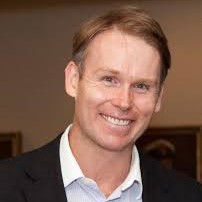
Experts

Healthed work with a team of general practitioners and medical professionals to ensure the highest quality education​

Catherine Mills is a Professor of Bioethics at Monash University, Australia. Her research addresses ethical, social and regulatory issues that arise around biomedical and technology innovation in human reproduction. She works collaboratively with industry partners such as Illumina and Monash IVF, as well as community and professional stakeholders to develop solutions to improve patient and consumer experiences. Her current projects include ethical and social research on prenatal testing, epigenetics, sperm and egg donation and mitochondrial donation, for which she has received funding from major national and international funders. She leads the engagement and implementation stream of mitoHOPE, the clinical trial of mitochondrial donation in Australia.
With a background in science and legal practice, Associate Professor Karinne Ludlow’s research primarily focuses on regulation of, and legal challenges to, innovative technologies, particularly biotechnology. That research addresses biotechnology across all species and in applications including health, agriculture and food. Karinne Ludlow has particular expertise in the regulation of reproductive technologies and her most recent book is on international responses to mitochondrial donation published by Oxford University Press. Current projects include the MitoHOPE project intended to clinically trial mitochondrial donation in Australia, and funded through a $15 million Medical Research Future Fund grant.
Professor Genie Pedagogos is a practicing Nephrologist and Clinical Professor at the University of Melbourne. She is currently the Clinical Research Lead for the @Home Division at Western Health and the Director of Medical Services at Epworth Freemasons, where she leads initiatives in patient care, translational research, and clinical innovation.

Richard MacIsaac is a professor and the Director of Endocrinology and Diabetes at St Vincent’s Hospital Melbourne and the University of Melbourne. His primary research focus is on diabetes and its complications, particularly those affecting the cardiovascular system and kidneys.

Ralph Audehm is a GP of 35 years experience. An Honorary Clinical Associate Professor, University of Melbourne, Department of General practice. He has a broad interest in chronic disease management, diabetes, heart disease and transitional research. He has owned his own practice, worked for NGOs as well as in the community health sector. He believes that primary care and general practice is the key to providing better health outcomes for all Australians.
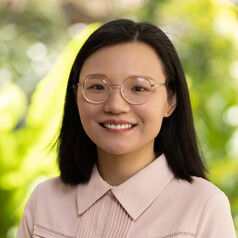
Jialing is a Research Fellow in Health Systems at the International Centre for Future Health Systems (ICFHS), University of New South Wales, Australia. Jialing is currently leading research projects related to generating evidence of effective models that improve healthcare services delivery and health outcomes to further support better health systems, such as reviewing evidence of integrating digital health application data into electronic medical record systems to support care delivery and improve patient health outcomes, reviewing evidence of the effectiveness of multi-disciplinary care models on patient health outcomes, and understanding how primary care reforms impact the health systems and patients’ health. Jialing’s research interests include healthcare services utilisation and related outcomes, primary care and preventive care optimisation, multimorbidity, mental health and health systems.Prior to joining ICFHS, Jialing spent 5+ years working and studying at the School of Population Health at UNSW as a Postdoc and PhD student. During this time, Jialing conducted a number of research projects related to healthcare service use in primary care and hospital settings and how policies impact the utilisation using population data (e.g. claims-based data, electronic medical records, and survey data). Jialing has research experience in vaccine and drug utilisation and outcomes studies.Jialing also has experience in designing surveys, data and sample collection, and molecular epidemiology for antibiotic-resistant bacterial colonization among high-risk populations such as people living with HIV, people with diabetes, drug users, pregnant women, and children, as well as their relationship with surrounding environments.Research profile: https://research.unsw.edu.au/people/dr-jialing-lin
Professor Patricia M. Davidson served as Vice Chancellor and President of the University of Wollongong from 2021-2024 and is currently a Vice Chancellor’s Distinguished Fellow and interim Co-Director of the International Centre for Future Health Systems at the University of New South Wales in Sydney. Her previous academic leadership positions include Dean of the Johns Hopkins School of Nursing and Professor at the Bloomberg School of Public Health in the United States. Her current leadership roles, include Chair of the NSW International Education Advisory Board, Chair of Her Heart and membership on the Research Australia board.
Dr. Kimberley Norman is a Research Fellow with a focus on the multi-leveled nature of obesity healthcare and weight management. Her work utilises participatory and co-design research methodologies to reduce inequity, support the healthcare workforce, and increase the quality of life for individuals and communities living with obesity.Due to the complexities of obesity and weight management, Dr. Norman’s work spans multiple disciplines, including the impacts of living with obesity in political, physiological, psychological, social, economic, and culturally specific contexts. With strong qualitative expertise, her current research investigates how to implement communication strategies in primary and allied healthcare clinical consultations in a way that is non-stigmatising for people living with obesity.
University Psychologist Sarah Egan has created a world-first treatment for kids dealing with grief. A program using online cognitive behavioural therapy (CBT) to help young children manage grief is currently being trialled in Western Australia. The Curtin University project, funded by the Channel 7 Telethon Trust, targets an urgent need among six to 12-year-olds suffering grief due to the loss of a family member or pet, or parental separation. Project Skil (Supporting Kids in Loss) aims to recruit 85 children from WA to trial the interactive and engaging online therapy, which was developed with input from children who have experienced significant loss.

This initiative builds on the success of a similar internet intervention program for adolescents launched last year, also funded by Telethon. That program led to improved well-being and notable reductions in anxiety, depression, and post-traumatic stress disorder among participating teens. Professor Sarah Egan, from Curtin’s enAble Institute and School of Population Health, highlighted that grief is common among children — 60% of young people have lost a loved one by age 10, and half have experienced parental divorce. She emphasized the scarcity of effective treatments for grieving children and expressed hope that this accessible, online approach will support children in the moment and prevent future mental health issues.

Professor Egan noted that while face-to-face therapy is effective, it is often difficult for children to access, especially after trauma when they may not be mentally prepared to attend sessions in person. Delivering CBT online removes these barriers and keeps the therapy engaging for children. The program helps children identify and change unhelpful thoughts and behaviours; for example, children grieving parental divorce often blame themselves, and CBT assists them to recognize and reframe these thoughts. After the trial, the program will be made freely available. Researchers are now seeking families across Australia with children aged six to 12 to participate in the study. Interested families can register at www.skilgrief.com

.
Lara is a psychologist with an interest in acquired brain injury. She has spent over a decade working in Cape York, where Indigenous women have been reported to experience violence at rates up to 45 times that of non-Indigenous women^. She recently completed a Master of Clinical Neuropsychology at Macquarie University to better understand how domestic violence can lead to brain injury. As part of her studies, she conducted a research project with the Salvation Army, to provide victim-survivors of domestic violence access to a neuropsychological assessment.
Jessica Taylor is the President of QENDO, an organisation that supports individuals affected by endometriosis. Under her leadership, QENDO’s volunteer team provides year-round support through Australia’s only endometriosis support line, one-on-one mentoring, community support groups, and education events. The organisation also runs a schools program in partnership with the Pelvic Pain Foundation of Australia to raise awareness about period pain and endometriosis.
Dr Manoharan is a procedural and laser dermatologist with a special interest in acne and acne scar treatment, pigmentation, rejuvenation, hyperhidrosis and skin cancer management.
Toby is a consultant psychiatrist at South London and Maudsley NHS Foundation Trust and an NIHR Academic Clinical Lecturer at King’s College London. His research focuses on the overlap between mental and physical health, with particular expertise in how psychiatric medications affect weight, metabolism, and cardiovascular risk. He has published widely on the metabolic effects of antipsychotic and antidepressant medications. Toby is the lead editor of The Maudsley Prescribing and Practice Guidelines for Physical Health Conditions in Psychiatry and led the writing of the recent Lancet Psychiatry Commission on the physical side-effects of psychiatric medication. Clinically, he runs a weight management service for people with severe mental illnesses such as bipolar disorder and schizophrenia, and also specialises in the care of patients with treatment-resistant schizophrenia at the Maudsley Hospital.
Associate Professor Jessica Biesiekierski leads the Human Nutrition Group at the University of Melbourne. Her research examines how diet affects gut health and gut–brain interactions to improve health outcomes.With a particular expertise in gastrointestinal function, food sensitivities, and gut-brain interaction disorders, Jessica leads dietary trials within the Human Nutrition Clinical Lab, collaborating with global, multidisciplinary teams including industry and clinical partners to advance treatments for conditions such as irritable bowel syndrome and functional dyspepsia.Jessica’s work, aligned with the Human Nutrition Research Group’s mission, ranges from investigating nutrient-specific effects to designing whole-diet interventions. Her team develops sustainable, evidence-based nutrition interventions tailored to local contexts, and aims to build capacity in community- and patient-centred nutrition solutions.
Catherine Mills is a Professor of Bioethics at Monash University, Australia. Her research addresses ethical, social and regulatory issues that arise around biomedical and technology innovation in human reproduction. She works collaboratively with industry partners such as Illumina and Monash IVF, as well as community and professional stakeholders to develop solutions to improve patient and consumer experiences. Her current projects include ethical and social research on prenatal testing, epigenetics, sperm and egg donation and mitochondrial donation, for which she has received funding from major national and international funders. She leads the engagement and implementation stream of mitoHOPE, the clinical trial of mitochondrial donation in Australia.
With a background in science and legal practice, Associate Professor Karinne Ludlow’s research primarily focuses on regulation of, and legal challenges to, innovative technologies, particularly biotechnology. That research addresses biotechnology across all species and in applications including health, agriculture and food. Karinne Ludlow has particular expertise in the regulation of reproductive technologies and her most recent book is on international responses to mitochondrial donation published by Oxford University Press. Current projects include the MitoHOPE project intended to clinically trial mitochondrial donation in Australia, and funded through a $15 million Medical Research Future Fund grant.
Professor Genie Pedagogos is a practicing Nephrologist and Clinical Professor at the University of Melbourne. She is currently the Clinical Research Lead for the @Home Division at Western Health and the Director of Medical Services at Epworth Freemasons, where she leads initiatives in patient care, translational research, and clinical innovation.

Richard MacIsaac is a professor and the Director of Endocrinology and Diabetes at St Vincent’s Hospital Melbourne and the University of Melbourne. His primary research focus is on diabetes and its complications, particularly those affecting the cardiovascular system and kidneys.

Ralph Audehm is a GP of 35 years experience. An Honorary Clinical Associate Professor, University of Melbourne, Department of General practice. He has a broad interest in chronic disease management, diabetes, heart disease and transitional research. He has owned his own practice, worked for NGOs as well as in the community health sector. He believes that primary care and general practice is the key to providing better health outcomes for all Australians.

Jialing is a Research Fellow in Health Systems at the International Centre for Future Health Systems (ICFHS), University of New South Wales, Australia. Jialing is currently leading research projects related to generating evidence of effective models that improve healthcare services delivery and health outcomes to further support better health systems, such as reviewing evidence of integrating digital health application data into electronic medical record systems to support care delivery and improve patient health outcomes, reviewing evidence of the effectiveness of multi-disciplinary care models on patient health outcomes, and understanding how primary care reforms impact the health systems and patients’ health. Jialing’s research interests include healthcare services utilisation and related outcomes, primary care and preventive care optimisation, multimorbidity, mental health and health systems.Prior to joining ICFHS, Jialing spent 5+ years working and studying at the School of Population Health at UNSW as a Postdoc and PhD student. During this time, Jialing conducted a number of research projects related to healthcare service use in primary care and hospital settings and how policies impact the utilisation using population data (e.g. claims-based data, electronic medical records, and survey data). Jialing has research experience in vaccine and drug utilisation and outcomes studies.Jialing also has experience in designing surveys, data and sample collection, and molecular epidemiology for antibiotic-resistant bacterial colonization among high-risk populations such as people living with HIV, people with diabetes, drug users, pregnant women, and children, as well as their relationship with surrounding environments.Research profile: https://research.unsw.edu.au/people/dr-jialing-lin
Professor Patricia M. Davidson served as Vice Chancellor and President of the University of Wollongong from 2021-2024 and is currently a Vice Chancellor’s Distinguished Fellow and interim Co-Director of the International Centre for Future Health Systems at the University of New South Wales in Sydney. Her previous academic leadership positions include Dean of the Johns Hopkins School of Nursing and Professor at the Bloomberg School of Public Health in the United States. Her current leadership roles, include Chair of the NSW International Education Advisory Board, Chair of Her Heart and membership on the Research Australia board.
Dr. Kimberley Norman is a Research Fellow with a focus on the multi-leveled nature of obesity healthcare and weight management. Her work utilises participatory and co-design research methodologies to reduce inequity, support the healthcare workforce, and increase the quality of life for individuals and communities living with obesity.Due to the complexities of obesity and weight management, Dr. Norman’s work spans multiple disciplines, including the impacts of living with obesity in political, physiological, psychological, social, economic, and culturally specific contexts. With strong qualitative expertise, her current research investigates how to implement communication strategies in primary and allied healthcare clinical consultations in a way that is non-stigmatising for people living with obesity.
University Psychologist Sarah Egan has created a world-first treatment for kids dealing with grief. A program using online cognitive behavioural therapy (CBT) to help young children manage grief is currently being trialled in Western Australia. The Curtin University project, funded by the Channel 7 Telethon Trust, targets an urgent need among six to 12-year-olds suffering grief due to the loss of a family member or pet, or parental separation. Project Skil (Supporting Kids in Loss) aims to recruit 85 children from WA to trial the interactive and engaging online therapy, which was developed with input from children who have experienced significant loss.

This initiative builds on the success of a similar internet intervention program for adolescents launched last year, also funded by Telethon. That program led to improved well-being and notable reductions in anxiety, depression, and post-traumatic stress disorder among participating teens. Professor Sarah Egan, from Curtin’s enAble Institute and School of Population Health, highlighted that grief is common among children — 60% of young people have lost a loved one by age 10, and half have experienced parental divorce. She emphasized the scarcity of effective treatments for grieving children and expressed hope that this accessible, online approach will support children in the moment and prevent future mental health issues.

Professor Egan noted that while face-to-face therapy is effective, it is often difficult for children to access, especially after trauma when they may not be mentally prepared to attend sessions in person. Delivering CBT online removes these barriers and keeps the therapy engaging for children. The program helps children identify and change unhelpful thoughts and behaviours; for example, children grieving parental divorce often blame themselves, and CBT assists them to recognize and reframe these thoughts. After the trial, the program will be made freely available. Researchers are now seeking families across Australia with children aged six to 12 to participate in the study. Interested families can register at www.skilgrief.com

.
Lara is a psychologist with an interest in acquired brain injury. She has spent over a decade working in Cape York, where Indigenous women have been reported to experience violence at rates up to 45 times that of non-Indigenous women^. She recently completed a Master of Clinical Neuropsychology at Macquarie University to better understand how domestic violence can lead to brain injury. As part of her studies, she conducted a research project with the Salvation Army, to provide victim-survivors of domestic violence access to a neuropsychological assessment.
Jessica Taylor is the President of QENDO, an organisation that supports individuals affected by endometriosis. Under her leadership, QENDO’s volunteer team provides year-round support through Australia’s only endometriosis support line, one-on-one mentoring, community support groups, and education events. The organisation also runs a schools program in partnership with the Pelvic Pain Foundation of Australia to raise awareness about period pain and endometriosis.
Dr Manoharan is a procedural and laser dermatologist with a special interest in acne and acne scar treatment, pigmentation, rejuvenation, hyperhidrosis and skin cancer management.
Toby is a consultant psychiatrist at South London and Maudsley NHS Foundation Trust and an NIHR Academic Clinical Lecturer at King’s College London. His research focuses on the overlap between mental and physical health, with particular expertise in how psychiatric medications affect weight, metabolism, and cardiovascular risk. He has published widely on the metabolic effects of antipsychotic and antidepressant medications. Toby is the lead editor of The Maudsley Prescribing and Practice Guidelines for Physical Health Conditions in Psychiatry and led the writing of the recent Lancet Psychiatry Commission on the physical side-effects of psychiatric medication. Clinically, he runs a weight management service for people with severe mental illnesses such as bipolar disorder and schizophrenia, and also specialises in the care of patients with treatment-resistant schizophrenia at the Maudsley Hospital.
Associate Professor Jessica Biesiekierski leads the Human Nutrition Group at the University of Melbourne. Her research examines how diet affects gut health and gut–brain interactions to improve health outcomes.With a particular expertise in gastrointestinal function, food sensitivities, and gut-brain interaction disorders, Jessica leads dietary trials within the Human Nutrition Clinical Lab, collaborating with global, multidisciplinary teams including industry and clinical partners to advance treatments for conditions such as irritable bowel syndrome and functional dyspepsia.Jessica’s work, aligned with the Human Nutrition Research Group’s mission, ranges from investigating nutrient-specific effects to designing whole-diet interventions. Her team develops sustainable, evidence-based nutrition interventions tailored to local contexts, and aims to build capacity in community- and patient-centred nutrition solutions.