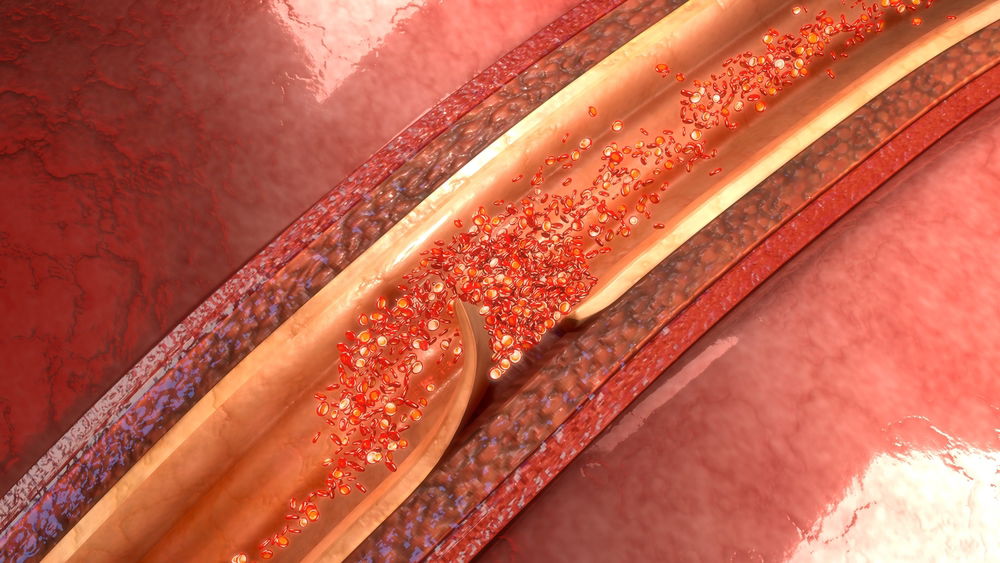

Spontaneous Coronary Artery Dissection (SCAD) – What you need to know

   Rated 5 / 5 stars

Save

CPD for this activity

Educational Activities (EA)

0.5 hours

These are activities that expand general practice knowledge, skills and attitudes, related to your scope of practice.

Reviewing Performance (RP)

0.5 hours

These are activities that require reflection on feedback about your work.

Measuring Outcomes (MO)

0 hours

These are activities that use your work data to ensure quality results.

EA
0.5 mins

Educational Activities (EA)
These are activities that expand general practice knowledge, skills and attitudes, related to your scope of practice.

RP
0.5 mins

Reviewing Performance (RP)
These are activities that require reflection on feedback about your work.

MO
0 mins

Measuring Outcomes (MO)
These are activities that use your work data to ensure quality results.

Listen to the episode

Description

In this episode:

  • SCAD is the leading cause of heart attacks in women under 50, often caused by bleeding in the artery wall that leads to tearing
  • SCAD is linked to genetic factors affecting collagen and tissue strength, with emotional stress being a common trigger
  • Diagnosis can be challenging, as young women with chest pain aren’t typically suspected of having heart attacks; troponin testing is crucial for detection
  • Unlike atherosclerosis, SCAD is treated conservatively with beta blockers (preferably long-term) and limited use of antiplatelet therapy
  • The risk of recurrence is 20-30%, and prevention includes beta blockers, treating high blood pressure, and screening for fibromuscular dysplasia


Experts: Prof Jason Kovacic, Clinical Cardiologist

Host: Dr David Lim, GP and Medical Educator

Total time: 44 mins


Recommended resources:

Last Updated: 18 Mar, 2025

Rate this podcast
Help your colleagues find podcasts they'll enjoy by rating this podcast out of five stars.

Icon 2

NEXT LIVE Webcast

:
Days
:
Hours
:
Minutes
Seconds
Dr Emily Nash

Dr Emily Nash

Abnormal Liver Function Test

Prof Rukshen Weerasooriya

Prof Rukshen Weerasooriya

ECG Cases

Prof Andrew Sindone AM

Prof Andrew Sindone AM

Heart Failure Exacerbation – Important Management Steps After Hospital Discharge

Prof Richard Harvey

Prof Richard Harvey

Recurrent Nasal Polyps Management – When to Refer

Join us for the next free webcast for GPs and healthcare professionals

High quality lectures delivered by leading independent experts

Prof Jason Kovacic

expert

Prof Jason Kovacic

Clinical Cardiologist, St Vincent’s Hospital; Director and CEO, Victor Chang Cardiac Research Institute; Chair and Professor of Medicine, The University of NSW; Adjunct Professor, The University of Western Australia; President of the Australian Cardiovascular Alliance.

Recent articles

Find your area of interest

Share this

You have completed the Educational Activities (EA) component of this activity.

Select ‘Confirm & claim CPD‘ to confirm you have engaged with this activity in its entirety and claim your CPD.

You will be taken to explore further CPD learning available to you.

Upcoming Healthed Webcast

Peanut Allergy

Tuesday 17th March, 7pm - 9pm AEDT

Speaker

Dr Sam Mehr

Paediatric Allergist, Immunologist & Immunopathologist; Royal Children’s Hospital; Epworth Hospital, Melbourne

Peanut allergy incidence among children is increasing, but there's more to managing it than just avoidance and adrenalin. Join Dr Sam Mehr as he covers the full spectrum of peanut allergy management options.