

Suicide prevention in neurodivergent patients

   Rated 5 / 5 stars

Save

CPD for this activity

Educational Activities (EA)

0.5 hours

These are activities that expand general practice knowledge, skills and attitudes, related to your scope of practice.

Reviewing Performance (RP)

0.5 hours

These are activities that require reflection on feedback about your work.

Measuring Outcomes (MO)

1 hours

These are activities that use your work data to ensure quality results.

EA
0.5 hours

Educational Activities (EA)
These are activities that expand general practice knowledge, skills and attitudes, related to your scope of practice.

RP
0.5 hours

Reviewing Performance (RP)
These are activities that require reflection on feedback about your work.

MO
1 hours

Measuring Outcomes (MO)
These are activities that use your work data to ensure quality results.

Listen to the episode

Description

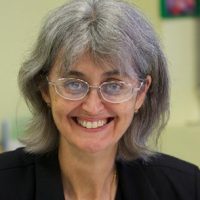
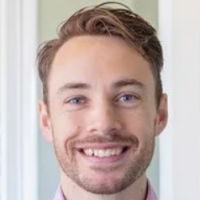
In this episode, Clinical Psychologist Prof Tony Attwood joins host GP Dr Rebecca Overton to unpack how clinicians can recognise and respond to suicide risk in autistic and other neurodivergent patients:

  • Understand why neurodivergent people face higher suicide risk
  • Recognise how alexithymia, masking and depression attacks can obscure suicidality
  • Learn practical ways to ask about suicide
  • Explore neurodivergent challenges and co-occurring conditions that affect suicide risk and help-seeking
  • GP friendly approaches for safety planning and escalation


Expert: Prof Tony Attwood, Clinical Psychologist

Host: Dr Rebecca Overton, GP & Medical Educator

Total time: 43 mins


This Healthed educational segment is supported by Gold Coast Primary Health Network. The views, information or opinions expressed by the experts are entirely their own and do not necessarily represent those of Gold Coast Primary Health Network.

Please note that this episode discusses sensitive topics including suicide and mental health distress. If you or someone you know needs help, support is available by calling Lifeline on 13 11 14, or Suicide Call Back Service on 1300 659 467. If you are in immediate danger, please call 000.


Recommended resources


Last Updated: 11 Jun, 2026

Rate this podcast
Help your colleagues find podcasts they'll enjoy by rating this podcast out of five stars.

Icon 2

NEXT LIVE Webcast

:
Days
:
Hours
:
Minutes
Seconds
Expert panel – Dr Georgia Rigas & A/Prof Samantha Hocking, facilitated by Dr Angela Kwong

Expert panel – Dr Georgia Rigas & A/Prof Samantha Hocking, facilitated by Dr Angela Kwong

Weight Management in Women of Reproductive Age

Jarrod Warner & Irene Schneider

Jarrod Warner & Irene Schneider

New Spirometry Standards: Key Changes for Clinical Practice

A/Prof Alberto Pinzon Charry

A/Prof Alberto Pinzon Charry

Food Allergy Prevention

A/Prof Daryl Cheng

A/Prof Daryl Cheng

Protecting Young Lungs – Paediatric Insights into RSV

Join us for the next free webcast for GPs and healthcare professionals

High quality lectures delivered by leading independent experts

You have completed the Educational Activities (EA) component of this activity.

Select ‘Confirm & claim CPD‘ to confirm you have engaged with this activity in its entirety and claim your CPD.

You will be taken to explore further CPD learning available to you.

Upcoming Healthed Webcast

Tune in for "Facial rashes case studies - Practical guide to assessment and management" lecture

Tuesday 9th June, 7pm - 9pm AEST

Speaker

Dr Philip Tong

Consultant Dermatologist; Founder, DermScreen, Dermatology Junction; Visiting Medical Officer, St Vincent’s Hospital Sydney

What does it mean when a facial red rash does not respond to topical steroids and gets worse with the treatment? Dermatologist Dr Philip Tong presents a series of cases with this scenario.