

An uncommon fungal infection from farm animals

Dr Linda Calabresi

writer

Dr Linda Calabresi

GP; Medical Editor, Healthed

Dr Linda Calabresi

Introduction

Trichophyton verrucosum is a cosmopolitan zoophilic dermatophyte. The normal host for this organism is cattle and occasionally horses. Human infection is acquired through direct contact with these animals or contaminated fomites, usually following minor trauma to the skin.

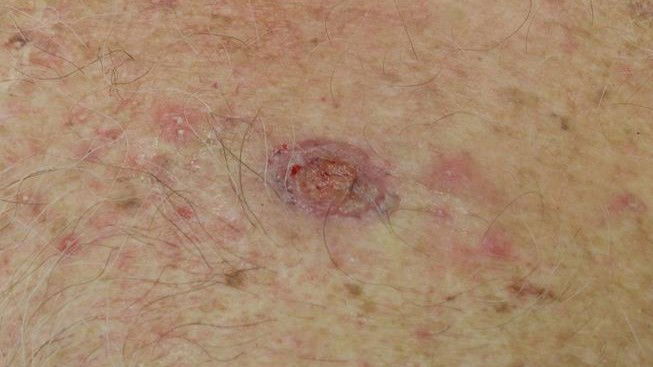
Figure 1. Case 4 developed lesion after contact with beef cattle

Aim

To review cases of T. verrucosum infection diagnosed over a five year period.

Method

The Sullivan Nicolaides Pathology data base from 2009 – 2014 was searched for isolates of T. verrucosum.

The laboratory services Queensland and extends into New South Wales as far south as Coffs Harbour.

PASSWORD RESET

Forgot your password or password not working? Please enter your email address. You will receive an email with the link to set a new password.

Icon 2

NEXT LIVE Webcast

:
Days
:
Hours
:
Minutes
Seconds
Hayley Ryan

Hayley Ryan

Management of Skin Tear in General Practice

Clinical Prof Sheryl Van Nunen OAM

Clinical Prof Sheryl Van Nunen OAM

Mammalian Meat Allergy & Tick Bites Explainer

Prof Sebastian King

Prof Sebastian King

Paediatric Bowel Dysfunction

Dr Katherine Spira

Dr Katherine Spira

Migraine

Join us for the next free webcast for GPs and healthcare professionals

High quality lectures delivered by leading independent experts

Once you confirm you’ve read this article you can complete a Patient Case Review to earn 0.5 hours CPD in the Reviewing Performance (RP) category.

Select ‘Confirm & learn‘ when you have read this article in its entirety and you will be taken to begin your Patient Case Review.

Upcoming Healthed Webcast

New Brain Health Guidelines – What GPs Can Do

Tuesday 4th August, 7pm - 9pm AEST

Speaker

Scientia Prof Kaarin Anstey

Psychologist; Director, UNSW Ageing Futures Institute; ARC Laureate Fellow; Senior Principal Research Scientist, NeuRA

Scientia Prof Kaarin Anstey translates the WHO's updated 2026 dementia risk-reduction guidelines changes into concrete actions for opportunistic risk assessment and targeted advice in everyday general practice.