Environmental toxicants and their impact on fertility | Repairing fistulas in Africa

   Rated 5 / 5 stars

Save

CPD for this activity

Educational Activities (EA)

0.5 hours

These are activities that expand general practice knowledge, skills and attitudes, related to your scope of practice.

Reviewing Performance (RP)

0.5 hours

These are activities that require reflection on feedback about your work.

Measuring Outcomes (MO)

0 hours

These are activities that use your work data to ensure quality results.

EA
0.5 hours

Educational Activities (EA)
These are activities that expand general practice knowledge, skills and attitudes, related to your scope of practice.

RP
0.5 hours

Reviewing Performance (RP)
These are activities that require reflection on feedback about your work.

MO
0 hours

Measuring Outcomes (MO)
These are activities that use your work data to ensure quality results.

Listen to the episode

Description

Part 1: Environmental toxicants and their impact on fertility

  • The increasing amounts of endocrine disrupting chemicals in our environment since the 1950s
  • How endocrine disrupting chemicals affect fertility in both males and females
  • The effects of endocrine disrupting chemicals on the fetus
  • How to minimise exposure to endocrine disrupting chemicals in our environment


Host: Dr Terri Foran, Medical Educator

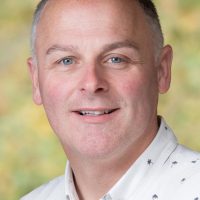
Expert: A/Prof Mark Green, Reproductive Biologist

Recommended resources:


Part 2: Repairing fistulas in Africa

  • One doctor’s personal experience of working in Africa to positively change the lives of women with obstetric fistula
  • Approximately two million women in the world suffer the effects of obstetric fistula but have little or no access to fistula surgery, almost all in developing countries
  • Providing women with access to a safe child birth practices is the best form of prevention
  • The role of an Australian charity – The Barbara May Foundation, in tackling this issue


Host: Dr Vivienne Miller, Medical Educator

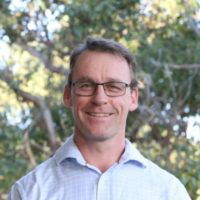
Expert: Dr Andrew Browning AM, Obstetrician

Recommended resources:

Last Updated: 4 Jul, 2024

Rate this podcast
Help your colleagues find podcasts they'll enjoy by rating this podcast out of five stars.

Icon 2

NEXT LIVE Webcast

:
Days
:
Hours
:
Minutes
Seconds
Prof Gary Wittert

Prof Gary Wittert

The Peptide Craze – What You Need to Know

Prof Andrew Sindone AM

Prof Andrew Sindone AM

Managing Acute Heart Failure After Discharge: A Practical Guide for GPs

A/Prof Gino Pecoraro OAM

A/Prof Gino Pecoraro OAM

Oral Contraceptives on the PBS – A Practical Guide for GPs

Dr Terri Foran

Dr Terri Foran

The Impact of PFAS & Other Endocrine Disrupting Chemicals on Fertility

Join us for the next free webcast for GPs and healthcare professionals

High quality lectures delivered by leading independent experts

A/Prof Mark Green

expert

A/Prof Mark Green

Reproductive Biologist; University of Melbourne & Deputy Scientific Director Research

Dr Andrew Browning AM

expert

Dr Andrew Browning AM

Obstetrician; Obstetric Fistula Surgeon; Co-founder, Barbara May Foundation

Recent articles

Find your area of interest

Share this

You have completed the Educational Activities (EA) component of this activity.

Select ‘Confirm & claim CPD‘ to confirm you have engaged with this activity in its entirety and claim your CPD.

You will be taken to explore further CPD learning available to you.

Upcoming Healthed Webcast

New Brain Health Guidelines – What GPs Can Do

Tuesday 4th August, 7pm - 9pm AEST

Speaker

Scientia Prof Kaarin Anstey

Psychologist; Director, UNSW Ageing Futures Institute; ARC Laureate Fellow; Senior Principal Research Scientist, NeuRA

Scientia Prof Kaarin Anstey translates the WHO's updated 2026 dementia risk-reduction guidelines changes into concrete actions for opportunistic risk assessment and targeted advice in everyday general practice.