Guide to Allergy Testing

Sullivan Nicolaides Pathology

writer

Sullivan Nicolaides Pathology

Allergy: What is it?

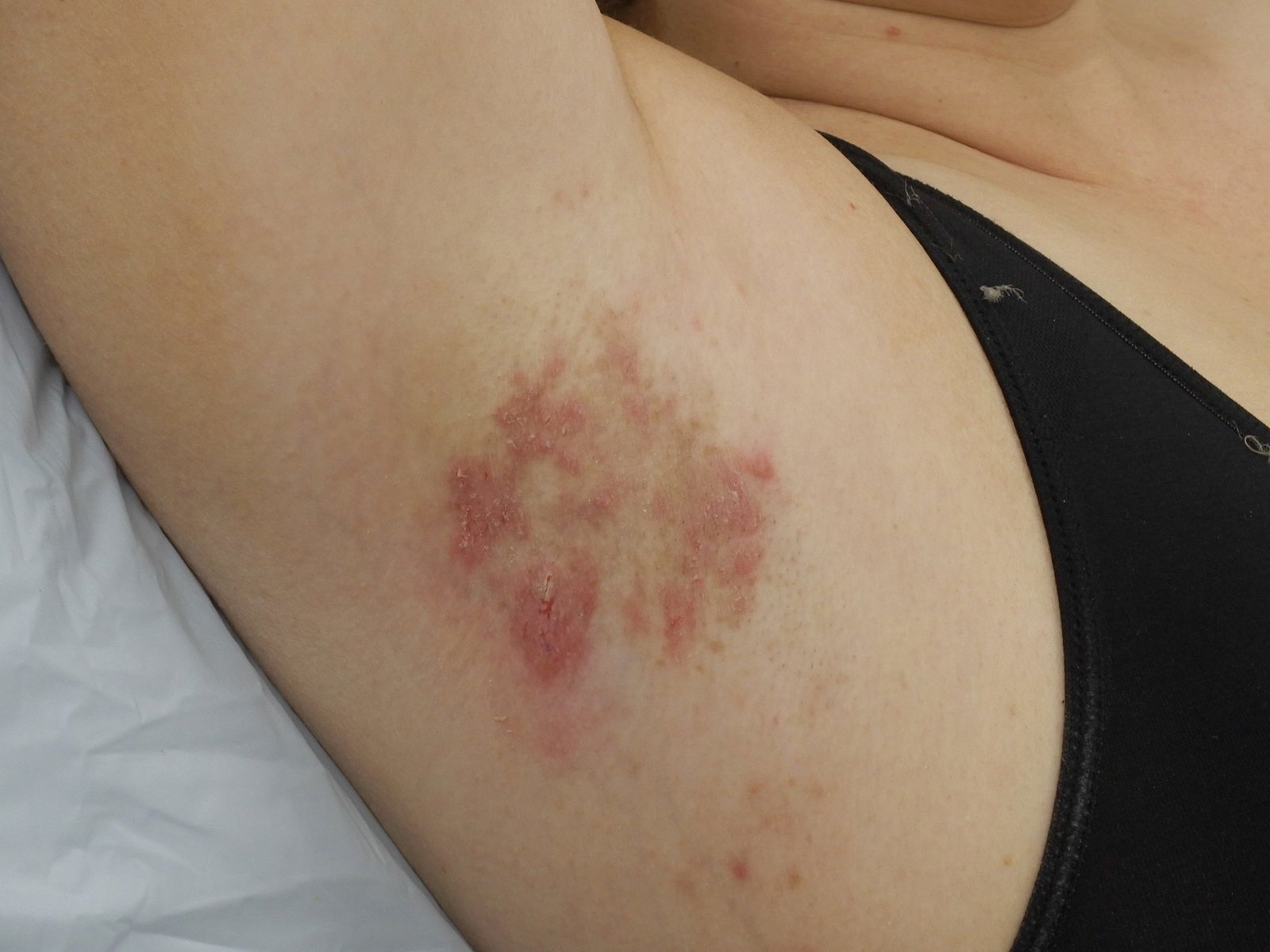
Allergic disorders result from an inappropriate, usually IgE-mediated, immune response upon exposure to either environmental or food allergens. Common manifestations of allergy include rhinoconjunctivitis, asthma, eczema, acute urticaria and anaphylaxis.

Disorders, such as chronic urticaria, hereditary angioedema and T-cell contact dermatitis (metal allergy), while clinically similar in some ways, are not IgE-mediated. Allergic disease manifests in different ways through life and the likely causative agents can also change with age (see Table 1).

PASSWORD RESET

Forgot your password or password not working? Please enter your email address. You will receive an email with the link to set a new password.

Icon 2

NEXT LIVE Webcast

:
Days
:
Hours
:
Minutes
Seconds
Scientia Prof Kaarin Anstey

Scientia Prof Kaarin Anstey

New Brain Health Guidelines – What GPs Can Do

Expert panel – Dr Georgia Rigas & Dr Nadia Tejani, facilitated by Dr Angela Kwong

Expert panel – Dr Georgia Rigas & Dr Nadia Tejani, facilitated by Dr Angela Kwong

Navigating Perimenopause and Menopause – Managing Weight, Health and Wellbeing in General Practice

A/Prof Daryl Efron

A/Prof Daryl Efron

Autism & Mental Health Comorbidities

Dr Rebecca Purvis

Dr Rebecca Purvis

Pharmacogenomics in General Practice

Join us for the next free webcast for GPs and healthcare professionals

High quality lectures delivered by leading independent experts

Once you confirm you’ve read this article you can complete a Patient Case Review to earn 0.5 hours CPD in the Reviewing Performance (RP) category.

Select ‘Confirm & learn‘ when you have read this article in its entirety and you will be taken to begin your Patient Case Review.

Upcoming Healthed Webcast

New Brain Health Guidelines – What GPs Can Do

Tuesday 4th August, 7pm - 9pm AEST

Speaker

Scientia Prof Kaarin Anstey

Psychologist; Director, UNSW Ageing Futures Institute; ARC Laureate Fellow; Senior Principal Research Scientist, NeuRA

Scientia Prof Kaarin Anstey translates the WHO's updated 2026 dementia risk-reduction guidelines changes into concrete actions for opportunistic risk assessment and targeted advice in everyday general practice.