A carrot a day keeps SCC at bay

Dr Linda Calabresi

writer

Dr Linda Calabresi

GP; Medical Editor, Healthed

Dr Linda Calabresi

Even more reason to eat your vegetables.

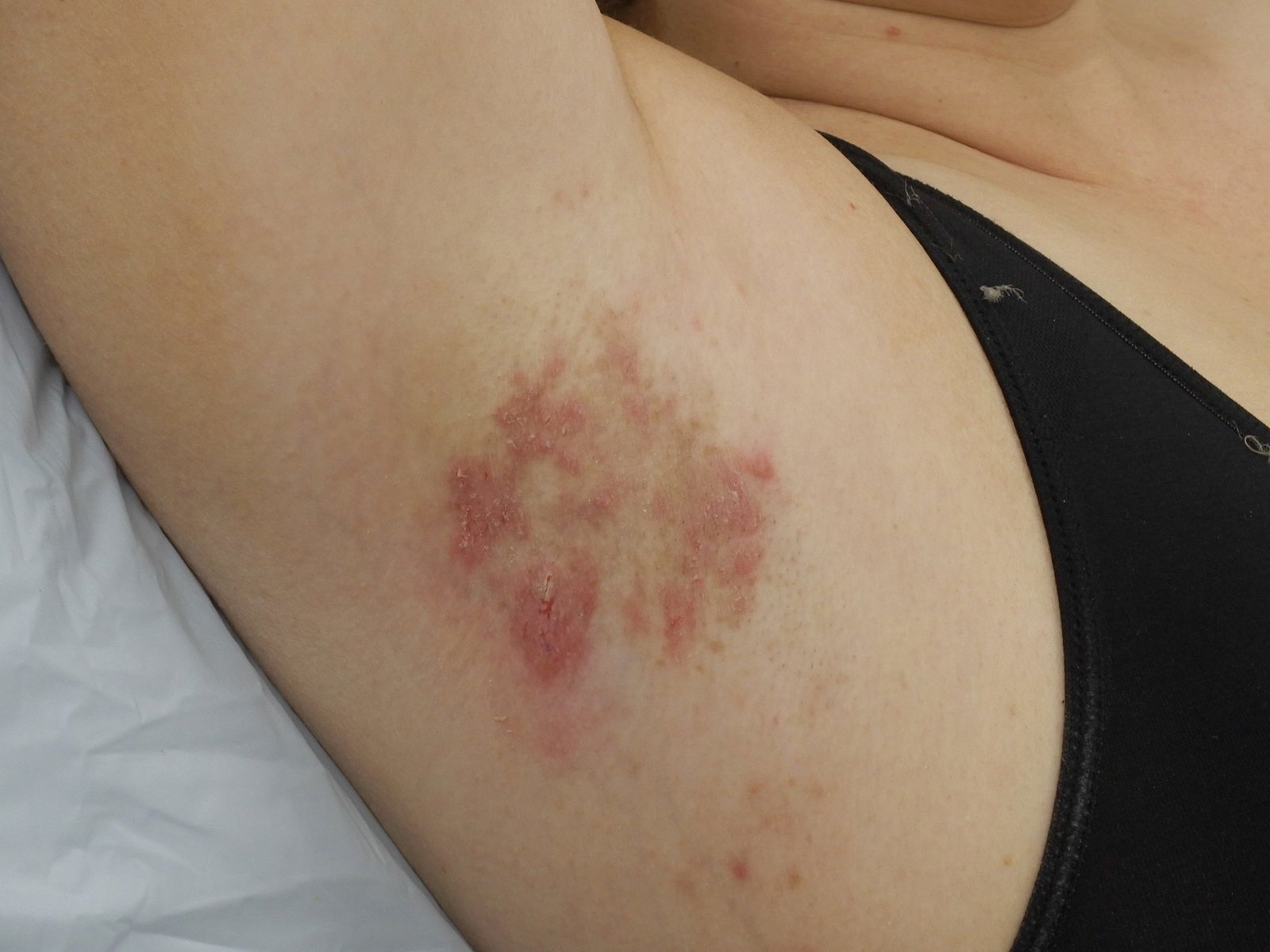
Researchers have determined that having a diet rich in vitamin A actually protects you from developing one of the commonest forms of skin cancer, squamous cell carcinoma.

According to their latest analysis of two large, ongoing, long-running population health studies (the Nurses Health Study and the Health Professionals Follow-up Study), both including over 25 years of follow-up data, it was found that those who consumed the least amount of vitamin A in their diet (the lowest quintile) were 17% more likely to develop cutaneous SCC than those who consumed the highest amount (the top quintile).

PASSWORD RESET

Forgot your password or password not working? Please enter your email address. You will receive an email with the link to set a new password.

Icon 2

NEXT LIVE Webcast

:
Days
:
Hours
:
Minutes
Seconds
A/Prof Daryl Efron

A/Prof Daryl Efron

Autism Spectrum Disorder – Managing Challenging Behaviours

Dr Sam Mehr

Dr Sam Mehr

Paediatric Allergic Rhinitis & Immunotherapy

Prof Rodney Baber AM

Prof Rodney Baber AM

Premature Ovarian Insufficiency – The New Guidelines

Dr Richard Bradlow

Dr Richard Bradlow

Alcohol Addiction Assessment and Advice

Join us for the next free webcast for GPs and healthcare professionals

High quality lectures delivered by leading independent experts

Once you confirm you’ve read this article you can complete a Patient Case Review to earn 0.5 hours CPD in the Reviewing Performance (RP) category.

Select ‘Confirm & learn‘ when you have read this article in its entirety and you will be taken to begin your Patient Case Review.

Upcoming Healthed Webcast

Premature Ovarian Insufficiency – The New Guidelines

Tuesday 3rd March, 7pm - 9pm AEDT

Speaker

Prof Rodney Baber AM

Obstetrician and Gynaecologist; Clinical Professor, Uni of Sydney

Join Prof Rodney Baber AM for this presentation where he will discuss the new guidelines related to POI and the most relevant recommendations for GPs.