If In Doubt Cut It Out

Dr Linda Calabresi

writer

Dr Linda Calabresi

GP; Medical Editor, Healthed

Dr Linda Calabresi

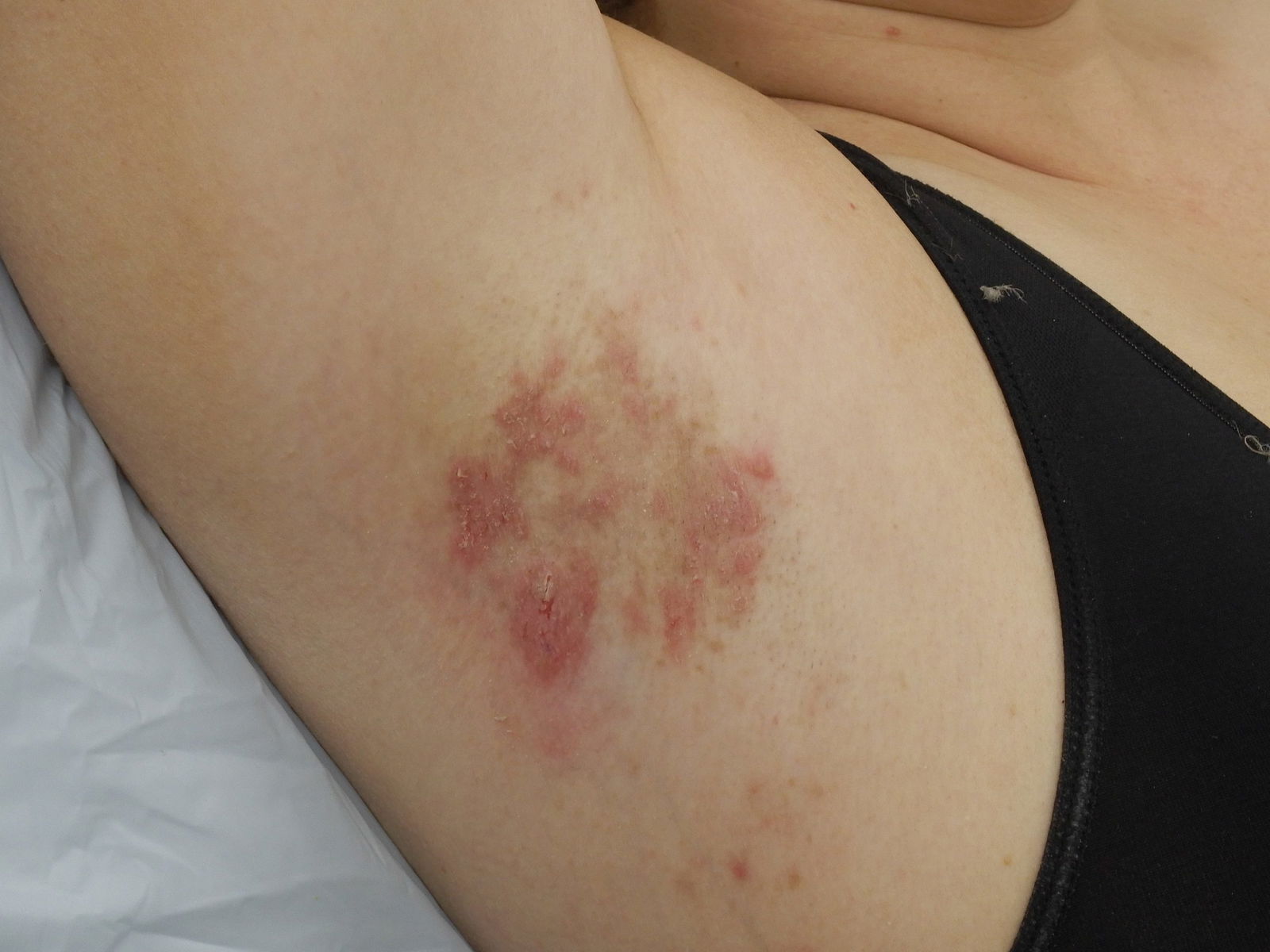
New guidelines suggest excising a changing skin lesion after one month

As with facing an exam where you haven’t studied, or finding yourself naked in a public place – missing a melanoma diagnosis is the stuff of nightmares for most GPs.

In a condition where the prognosis can vary dramatically according to a fraction of a millimetre, the importance of early detection is well-known and keenly felt by clinicians.

PASSWORD RESET

Forgot your password or password not working? Please enter your email address. You will receive an email with the link to set a new password.

References

Mar VJ, Chamberlain AJ, Kelly JW, Murray WK, Thompson JF. Clinical practice guidelines for the diagnosis and management of melanoma: melanomas that lack classical clinical features. Med J Aust. 2017 Oct 16; 207(8): 348-50. DOI: 10.5694/mja17.00123

Icon 2

NEXT LIVE Webcast

:
Days
:
Hours
:
Minutes
Seconds
Dr Paige Lanyon-Roberts

Dr Paige Lanyon-Roberts

The New Oral Medications for Obesity – A Practical Guide for GPs

Dr Terri-Lynne South

Dr Terri-Lynne South

Oral GLP1s – What GPs Need to Know

Dr Katherine Spira

Dr Katherine Spira

Menstrual Migraine

Prof Danny Green

Prof Danny Green

GLP1s and Muscle Mass – What Does the Evidence Show?

Join us for the next free webcast for GPs and healthcare professionals

High quality lectures delivered by leading independent experts

Once you confirm you’ve read this article you can complete a Patient Case Review to earn 0.5 hours CPD in the Reviewing Performance (RP) category.

Select ‘Confirm & learn‘ when you have read this article in its entirety and you will be taken to begin your Patient Case Review.

Upcoming Healthed Webcast

New Brain Health Guidelines – What GPs Can Do

Tuesday 4th August, 7pm - 9pm AEST

Speaker

Scientia Prof Kaarin Anstey

Psychologist; Director, UNSW Ageing Futures Institute; ARC Laureate Fellow; Senior Principal Research Scientist, NeuRA

Scientia Prof Kaarin Anstey translates the WHO's updated 2026 dementia risk-reduction guidelines changes into concrete actions for opportunistic risk assessment and targeted advice in everyday general practice.