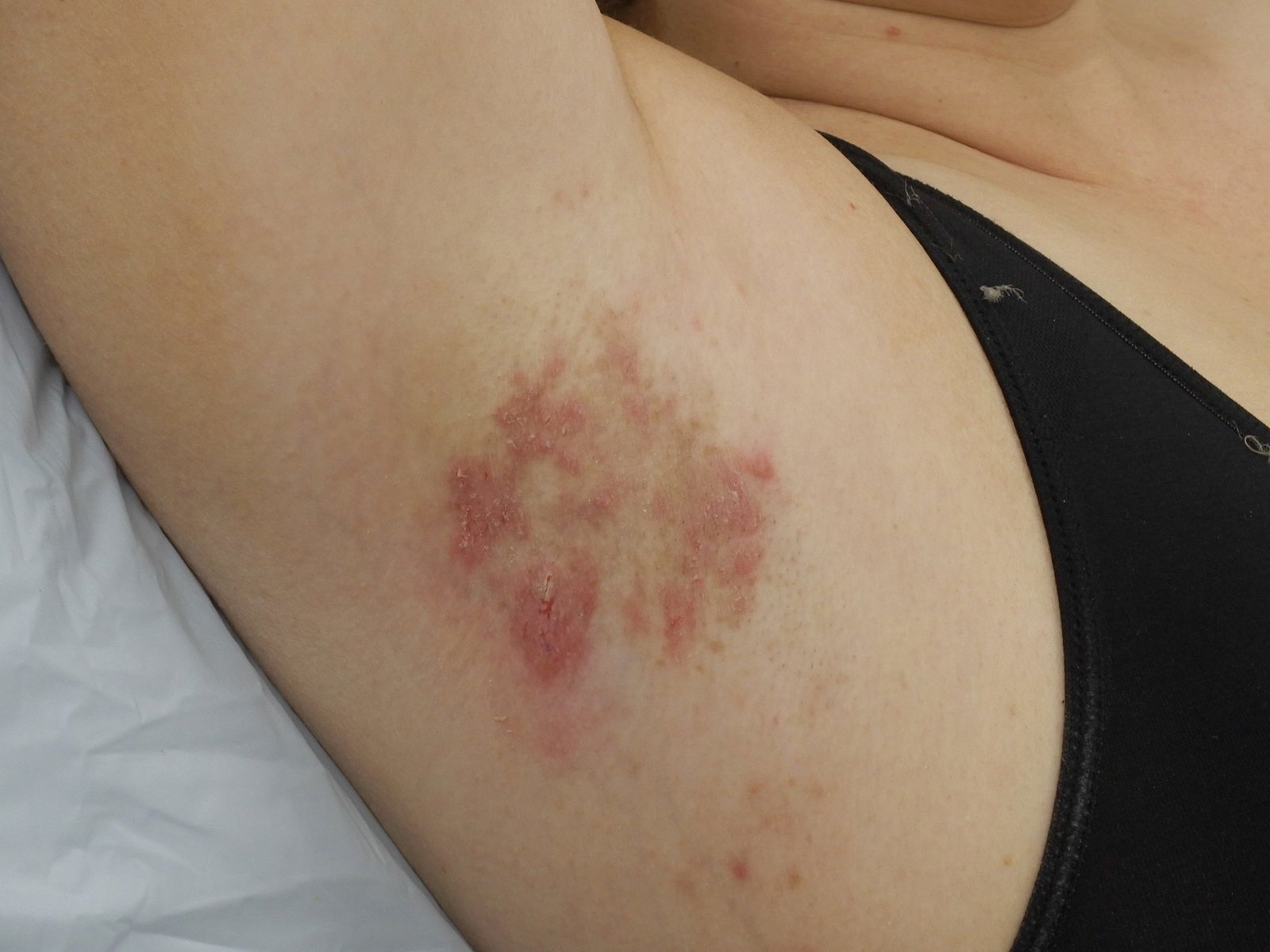
Melanoma vs Spitz Naevi in Children

Dr Trevor W. Beer

writer

Dr Trevor W. Beer

Dr Trevor W. Beer

Melanoma is rare in childhood, representing no more than 2% of all skin melanomas.

Diagnosis is often delayed because melanoma is unsuspected, partly due to differences in presentation and its rarity. The diagnosis is made with trepidation by pathologists, since the vast majority of childhood skin lesions are benign.
Establishing the true prevalence of juvenile melanoma is complicated by a number of factors, one being the definition of childhood or juvenile. Many studies use a cut-off age of 19 years, but this is not consistent. Cancer registry data may also be unreliable due to misclassified Spitz naevi, for example.

PASSWORD RESET

Forgot your password or password not working? Please enter your email address. You will receive an email with the link to set a new password.

Icon 2

NEXT LIVE Webcast

:
Days
:
Hours
:
Minutes
Seconds
A/Prof Daryl Efron

A/Prof Daryl Efron

Autism Spectrum Disorder – Managing Challenging Behaviours

Dr Sam Mehr

Dr Sam Mehr

Paediatric Allergic Rhinitis & Immunotherapy

Prof Rodney Baber AM

Prof Rodney Baber AM

Premature Ovarian Insufficiency – The New Guidelines

Dr Richard Bradlow

Dr Richard Bradlow

Alcohol Addiction Assessment and Advice

Join us for the next free webcast for GPs and healthcare professionals

High quality lectures delivered by leading independent experts

Once you confirm you’ve read this article you can complete a Patient Case Review to earn 0.5 hours CPD in the Reviewing Performance (RP) category.

Select ‘Confirm & learn‘ when you have read this article in its entirety and you will be taken to begin your Patient Case Review.

Upcoming Healthed Webcast

Premature Ovarian Insufficiency – The New Guidelines

Tuesday 3rd March, 7pm - 9pm AEDT

Speaker

Prof Rodney Baber AM

Obstetrician and Gynaecologist; Clinical Professor, University of Sydney

Join Prof Rodney Baber AM for this presentation where he will discuss the new guidelines related to POI and the most relevant recommendations that will affect clinical practice and assist in better recognition, understanding, diagnosis and management.