Schistosomiasis

Dr Jenny Robson

writer

Dr Jenny Robson

Microbiologist; Sullivan Nicolaides Pathology's, department of Microbiology and Molecular Pathology

Dr Jenny Robson

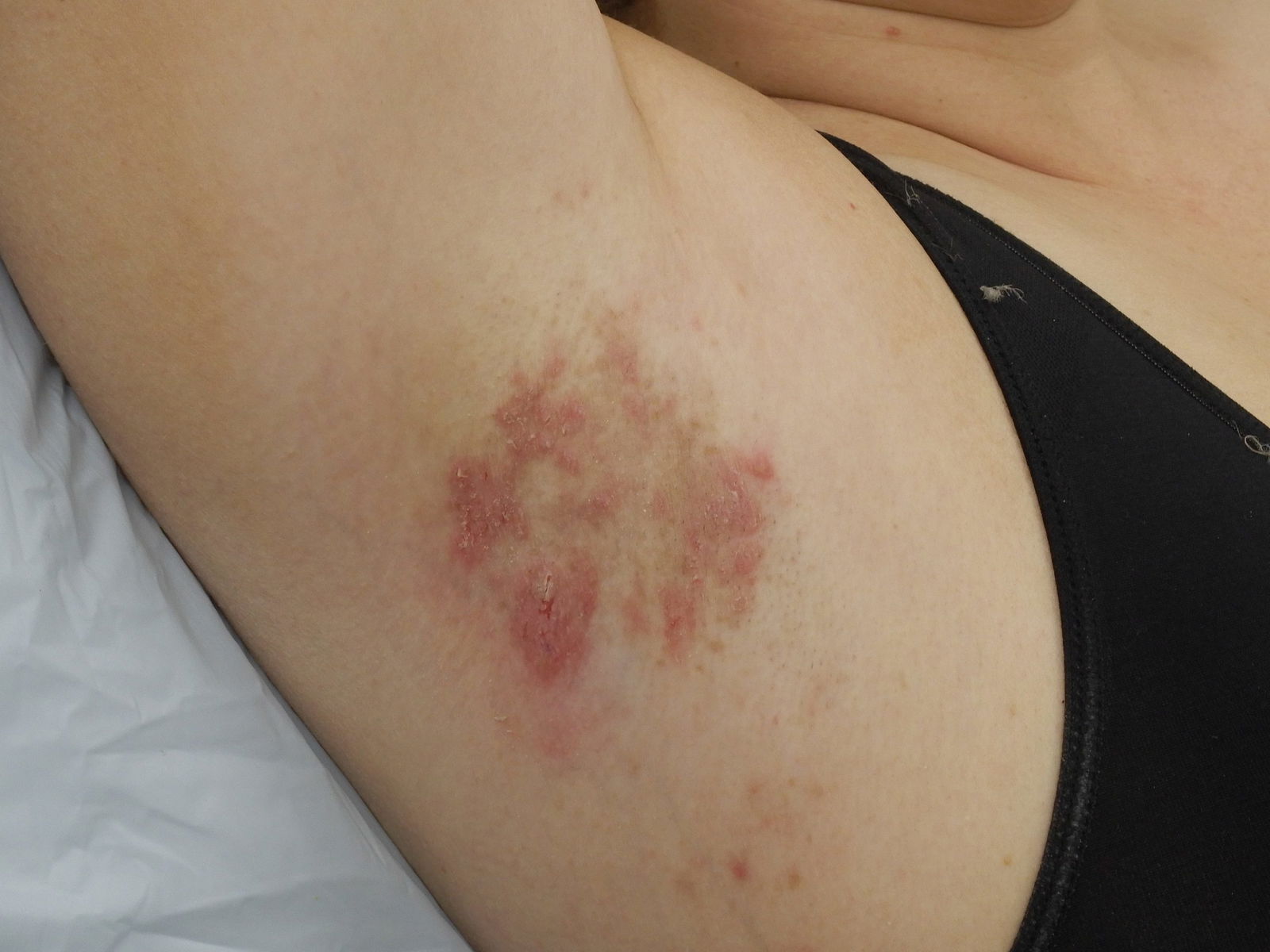
Schistosomiasis, also known as bilharzia, is the second most prevalent tropical disease after malaria and is a leading cause of morbidity in many parts of the world.

It is not uncommon in Australia because of the many travellers who visit endemic areas and swim or bathe in freshwater lakes and streams.

Places commonly implicated include Lake Kariba and Lake Malawi in Africa. Immigrants and refugees from bilharzia endemic countries are also likely to present with untreated infection. With increasing travel to and migration from Africa and the Americas knowledge of the dangers and means of avoiding schistosomiasis is essential.

PASSWORD RESET

Forgot your password or password not working? Please enter your email address. You will receive an email with the link to set a new password.

Icon 2

NEXT LIVE Webcast

:
Days
:
Hours
:
Minutes
Seconds
A/Prof Michelle Rodrigues

A/Prof Michelle Rodrigues

Acne Scarring

Dr Mitchell Creinin MD

Dr Mitchell Creinin MD

Natural Estrogen, Contraception and Clot Risk

Prof Eugenia Pedagogos

Prof Eugenia Pedagogos

Kidney Function Tests Explained

Dr David Lim & Prof Richard Harvey

Dr David Lim & Prof Richard Harvey

Fireside Discussion – Chronic Sinusitis & Nasal Polyps Management Update

Join us for the next free webcast for GPs and healthcare professionals

High quality lectures delivered by leading independent experts

Once you confirm you’ve read this article you can complete a Patient Case Review to earn 0.5 hours CPD in the Reviewing Performance (RP) category.

Select ‘Confirm & learn‘ when you have read this article in its entirety and you will be taken to begin your Patient Case Review.

Upcoming Healthed Webcast

New Brain Health Guidelines – What GPs Can Do

Tuesday 4th August, 7pm - 9pm AEST

Speaker

Scientia Prof Kaarin Anstey

Psychologist; Director, UNSW Ageing Futures Institute; ARC Laureate Fellow; Senior Principal Research Scientist, NeuRA

Scientia Prof Kaarin Anstey translates the WHO's updated 2026 dementia risk-reduction guidelines changes into concrete actions for opportunistic risk assessment and targeted advice in everyday general practice.