Studying Chromosomes In 2017

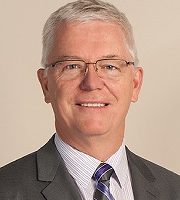
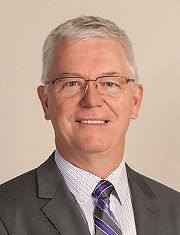
Prof Graeme Suthers

writer

Prof Graeme Suthers

Geneticist and Genetic Pathologist, Director of Genetics, Sonic Healthcare; Department of Paediatrics, University of Adelaide

Examining the structure of chromosomes

The first studies in human genetics were done in the early 1900s, well before we had any idea of the structure of DNA or chromosomes. It was not until the late 1950s that the double helix was deciphered, that we realised that chromosomes were large bundles of DNA, and that we were able to visualise the number and shape of chromosomes under the microscope.

In just a few years, numerous clinical disorders were identified as being due to abnormalities in the number or shape of chromosomes, and the field of “cytogenetics” was born.

Over the next five decades, techniques improved.

PASSWORD RESET

Forgot your password or password not working? Please enter your email address. You will receive an email with the link to set a new password.

Icon 2

NEXT LIVE Webcast

:
Days
:
Hours
:
Minutes
Seconds
Dr Emily Nash

Dr Emily Nash

Abnormal Liver Function Test

Prof Richard Harvey

Prof Richard Harvey

Recurrent Nasal Polyps Management – When to Refer

Prof Kelly-Anne Phillips

Prof Kelly-Anne Phillips

Breast Density and Cancer Risk – What Every GP Can Put into Practice Tomorrow

A/Prof Adrian Mar

A/Prof Adrian Mar

Vitiligo – Early Detection and Early Treatment

Join us for the next free webcast for GPs and healthcare professionals

High quality lectures delivered by leading independent experts

Share this

Share this

Prof Graeme Suthers

writer

Prof Graeme Suthers

Geneticist and Genetic Pathologist, Director of Genetics, Sonic Healthcare; Department of Paediatrics, University of Adelaide

Test your knowledge

Recent articles

Latest GP poll

What is your view on changing the model of delivery for the doctors' health support service in your state or territory?

It should only change if there's clear evidence that a new model is better

0%

It should remain independent and locally governed

0%

It should be replaced with an untested national model

0%

Find your area of interest

Once you confirm you’ve read this article you can complete a Patient Case Review to earn 0.5 hours CPD in the Reviewing Performance (RP) category.

Select ‘Confirm & learn‘ when you have read this article in its entirety and you will be taken to begin your Patient Case Review.

Upcoming Healthed Webcast

Recurrent Nasal Polyps Management – When to Refer

Tuesday 31st March, 7pm - 9pm AEDT

Speaker

Prof Richard Harvey

Rhinologist; Nose, Sinus, Allergy and Endoscopic Sinus and Skull Base Surgeon

Join Professor Richard Harvey for an overview of our current understanding of the pathophysiology of nasal polyps.